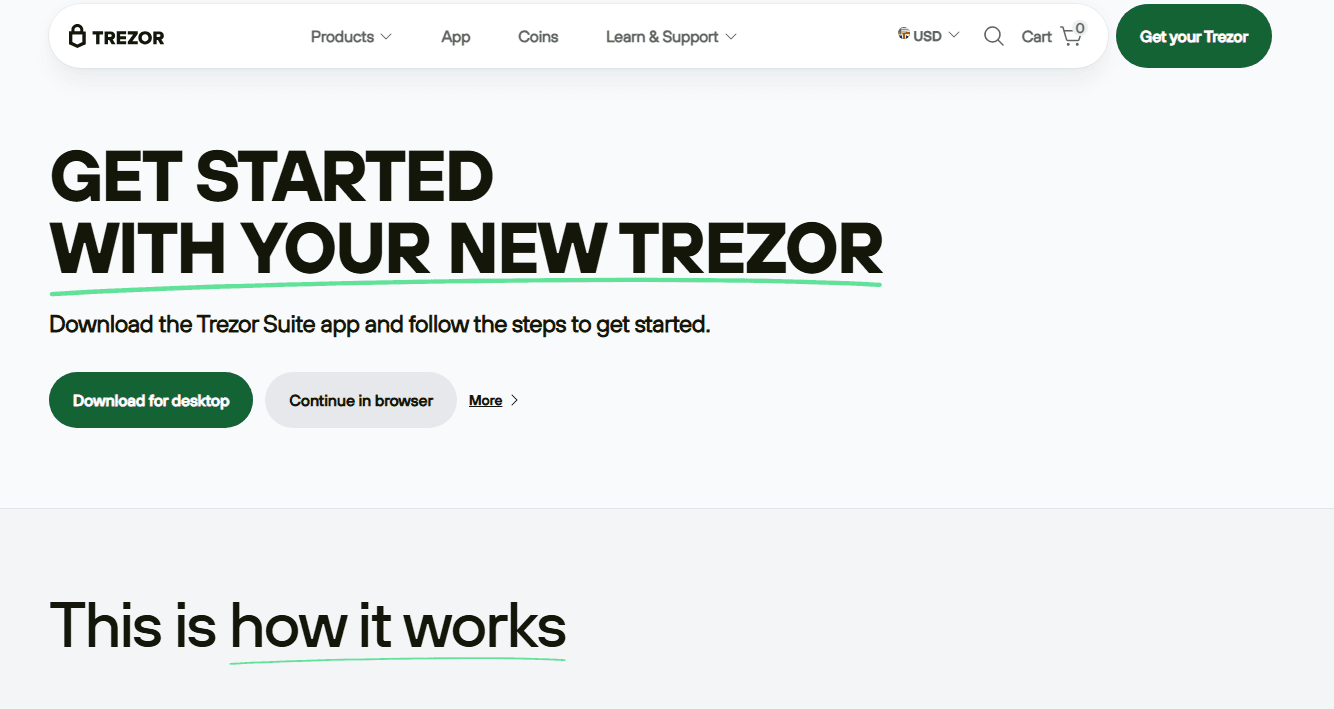
Trezor Suite: The Definitive Guide to Secure Cryptocurrency Management
Cryptocurrencies have revolutionized finance, enabling decentralized transactions and digital ownership. However, with great innovation comes significant responsibility—particularly when it comes to security. Unlike traditional banking, cryptocurrencies are self-custodied, meaning that if your private keys are lost or stolen, your assets are gone permanently.
Trezor, a leading hardware wallet manufacturer, provides a solution. Coupled with Trezor Suite, its official management platform, it allows users to securely manage, send, and receive cryptocurrencies while keeping private keys offline and protected from hackers.
This guide offers a comprehensive overview of Trezor Suite, including setup, login, features, advanced options, security practices, and troubleshooting.
What Is Trezor Suite?
Trezor Suite is the official software for interacting with Trezor hardware wallets. It acts as a secure bridge between the user and the blockchain, offering both convenience and safety.
Key functionalities include:
Wallet Management: Organize multiple accounts and cryptocurrencies in one interface.
Transactions: Send and receive digital assets with verification on the hardware device.
Portfolio Tracking: Monitor balances, allocations, and historical performance.
Device Management: Update firmware, configure security settings, and manage recovery seeds.
Advanced Features: Swap cryptocurrencies, connect to DeFi platforms, and handle multiple accounts efficiently.
Trezor Suite is available for desktop operating systems (Windows, macOS, Linux) and as a web interface through official browsers.
Trezor Hardware Wallet Models
Trezor offers two main models that integrate seamlessly with Trezor Suite:
Trezor One: An entry-level wallet supporting most major cryptocurrencies. Navigation is via physical buttons.
Trezor Model T: A premium device featuring a touchscreen, wider coin support, and additional security features.
Both devices are designed so that private keys never leave the hardware, making them highly resistant to hacking and malware.
Why Use Trezor Suite?
Trezor Suite combines the security of hardware wallets with an intuitive software interface, providing multiple benefits:
Offline Security: Private keys remain isolated on the device.
User-Friendly Interface: Simplifies cryptocurrency management for both beginners and experienced users.
Enhanced Security Options: PIN codes, passphrases, and physical confirmation of transactions protect your assets.
Recovery Options: Wallets can be restored with a recovery seed if the device is lost, stolen, or damaged.
Multi-Currency Support: Compatible with hundreds of cryptocurrencies and tokens.
By using Trezor Suite, users maintain full control over their funds while minimizing exposure to online threats.
Setting Up a Trezor Wallet
Proper setup is crucial for security. Follow these steps to initialize your wallet:
Step 1: Verify the Device
Buy only from authorized sellers or the official Trezor website.
Check packaging for seals and ensure all accessories are included.
Step 2: Install Trezor Suite
Download Trezor Suite from Trezor’s official site.
Select the appropriate version for your operating system.
Follow the on-screen installation instructions.
Security Tip: Never download Trezor Suite from unverified sources; this can compromise security.
Step 3: Initialize the Wallet
Connect the Trezor device to your computer.
Open Trezor Suite and choose to create a new wallet.
Set a strong PIN code to prevent unauthorized access.
Write down your recovery seed (12, 18, or 24 words) offline in a secure location.
Confirm the recovery seed on the device.
After setup, your Trezor wallet is ready to use with Trezor Suite.
Logging Into Trezor Suite
Accessing Trezor Suite involves connecting the device and authenticating securely:
Step 1: Connect Your Device
Plug the Trezor wallet into your computer via USB.
For Model T, follow touchscreen prompts to confirm setup.
Step 2: Open Trezor Suite
Launch the desktop application or access the web interface via a supported browser.
The software will detect your connected device automatically.
Step 3: Authenticate
Enter your PIN code on the device.
Approve all sensitive actions, including transactions or firmware updates, directly on the device.
This ensures that your private keys never leave the hardware wallet, protecting them from malware or hacking attempts.
Security Features of Trezor Suite
Trezor Suite incorporates multiple layers of protection:
PIN Protection: Blocks unauthorized access and triggers reset after multiple failed attempts.
Passphrase Option: Adds an extra layer of encryption for your wallet.
Recovery Seed: Allows full restoration of the wallet if the device is lost or damaged.
Physical Transaction Verification: Users must approve transactions on the device.
Firmware Updates: Keep the device secure with the latest security patches.
These combined measures make Trezor Suite one of the most secure cryptocurrency management platforms available.
Supported Cryptocurrencies
Trezor Suite supports a wide array of cryptocurrencies, including:
Bitcoin (BTC)
Ethereum (ETH) and ERC-20 tokens
Litecoin (LTC)
Bitcoin Cash (BCH)
Dash (DASH)
Zcash (ZEC)
Additionally, Trezor Suite supports DeFi platforms, allowing users to securely interact with decentralized applications.
Sending and Receiving Funds
Trezor Suite makes transactions straightforward while maintaining security:
Sending Funds
Choose the account to send from.
Click Send and enter the recipient’s address and amount.
Verify the transaction on your Trezor device.
Confirm to broadcast the transaction to the blockchain.
Receiving Funds
Select the account to receive funds.
Click Receive to generate a wallet address.
Verify the address on the Trezor device.
Share the verified address with the sender.
Verifying transactions on the hardware device ensures they cannot be altered by malware or compromised computers.
Portfolio Management in Trezor Suite
Trezor Suite provides comprehensive tools to track your crypto holdings:
Real-Time Balances: Instantly see the value of your assets.
Performance Tracking: Analyze portfolio growth over time.
Multi-Account Management: Manage multiple wallets and cryptocurrencies in one interface.
These tools help users make informed decisions about their investments.
Advanced Features
Beyond basic wallet management, Trezor Suite offers several advanced features:
Token Swaps: Swap cryptocurrencies directly within the Suite.
DeFi Integration: Connect to decentralized finance applications securely.
Custom Transaction Fees: Adjust fees for faster confirmation or cost savings.
Multiple Account Management: Organize assets across separate accounts.
These features provide flexibility and convenience while maintaining strong security.
Common Issues and Troubleshooting
Even experienced users may encounter challenges. Here’s how to handle them:
Device Not Detected
Cause: USB or software issues.
Solution: Try a different port, reconnect the device, and ensure Suite and firmware are updated.
Forgotten PIN
Cause: User cannot remember the PIN.
Solution: After multiple failed attempts, the device locks. Use the recovery seed to restore access.
Transaction Delays
Cause: Network congestion or low fees.
Solution: Increase fees or wait for confirmation.
Browser Issues
Cause: Outdated browser or conflicting extensions.
Solution: Use a supported browser or the desktop Suite.
Best Practices
Download Trezor Suite only from official sources.
Use a strong PIN and enable a passphrase for added security.
Store the recovery seed offline in a safe location.
Confirm every transaction on the device.
Regularly update firmware and software.
Separate accounts for different cryptocurrencies.
Avoid public Wi-Fi when accessing your wallet.
Following these best practices minimizes the risk of theft or accidental loss.
Desktop vs Web Trezor Suite
Trezor Suite can be accessed via desktop or web:
Desktop App: Offers offline security, advanced features, and multi-account support.
Web Interface: Convenient for quick access but requires careful browser verification.
In both cases, private keys remain on the device, and all critical operations require physical approval.
Conclusion
Trezor Suite is a secure, intuitive platform for cryptocurrency management. It combines the safety of hardware wallets with a modern interface, making it suitable for both beginners and advanced users.