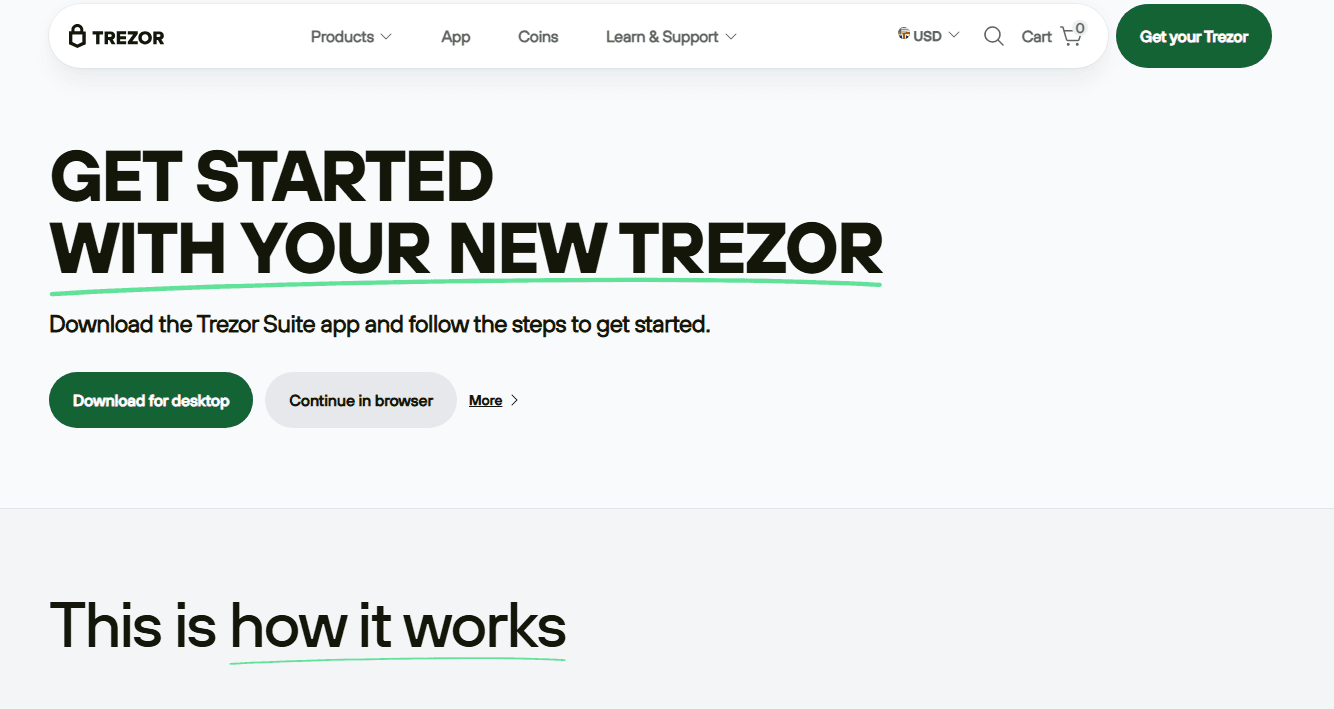
Trezor Suite: Your Complete Guide to Safe and Efficient Cryptocurrency Management
Cryptocurrency has opened up a new frontier in finance, offering opportunities for investment, payments, and decentralized finance (DeFi). However, with this innovation comes significant responsibility: security. Unlike traditional banking, cryptocurrencies require users to manage private keys. Loss or theft of these keys can lead to irreversible loss of funds.
Trezor, one of the first hardware wallets on the market, addresses this challenge. Coupled with Trezor Suite, its official management platform, it allows users to safely store, send, and manage cryptocurrencies without compromising usability.
This guide dives into everything you need to know about Trezor Suite—setup, login, features, security, troubleshooting, and best practices for protecting your digital assets.
What Is Trezor Suite?
Trezor Suite is the official software designed to manage Trezor hardware wallets. It provides a secure interface for users to access and manage their cryptocurrencies while ensuring private keys remain offline on the hardware device.
Key features include:
Wallet Management: Organize multiple cryptocurrency accounts in one place.
Transaction Management: Send and receive cryptocurrencies securely.
Portfolio Tracking: Monitor balances, allocations, and historical performance.
Device Management: Update firmware, configure security, and manage recovery seeds.
Advanced Features: Exchange tokens, integrate with DeFi protocols, and manage multiple accounts efficiently.
Trezor Suite is available as a desktop application for Windows, macOS, and Linux, and also as a web platform accessible through supported browsers.
Trezor Hardware Wallet Models
Trezor offers two main hardware wallets that integrate with Trezor Suite:
Trezor One: An entry-level wallet that supports most popular cryptocurrencies and provides fundamental security features.
Trezor Model T: A premium device with a touchscreen, additional coin support, and enhanced security features.
Both wallets ensure private keys never leave the device. While Trezor One uses physical buttons for navigation, the Model T’s touchscreen enables faster, more intuitive interactions.
Why Use Trezor Suite?
Trezor Suite combines the security of hardware wallets with a user-friendly software interface, providing an ideal solution for beginners and experienced cryptocurrency users alike.
Benefits include:
Offline Security: Private keys remain on the hardware wallet, disconnected from the internet.
User-Friendly Interface: Simplifies complex cryptocurrency management tasks.
Advanced Security Options: PIN codes, passphrases, and device verification protect assets.
Recovery Options: Wallets can be restored using the recovery seed if the device is lost or damaged.
Multi-Currency Support: Compatible with hundreds of cryptocurrencies, including Bitcoin, Ethereum, and ERC-20 tokens.
By using Trezor Suite, users can confidently manage their digital assets without exposing them to online threats.
Setting Up Your Trezor Wallet
Before logging in and using Trezor Suite, proper setup of the hardware wallet is crucial.
Step 1: Verify the Device
Purchase the wallet only from authorized retailers or Trezor’s official website.
Ensure the packaging is intact and that all seals and accessories are present.
Step 2: Install Trezor Suite
Visit the official Trezor website.
Download the version for your operating system.
Follow the installation instructions to set up the application.
Security Tip: Avoid downloading Trezor Suite from third-party sources to prevent malware.
Step 3: Initialize Your Wallet
Connect your Trezor device to your computer via USB.
Follow the prompts in Trezor Suite to create a new wallet.
Set a strong PIN code to prevent unauthorized access.
Record your recovery seed carefully offline. This is essential for recovering your wallet if the device is lost or damaged.
Confirm the recovery seed on your device.
Once complete, your Trezor wallet is ready for secure login and cryptocurrency management.
Logging in to Trezor Suite
Logging in involves connecting the hardware device and verifying access.
Step 1: Connect Your Trezor
Plug your device into your computer using the USB cable.
If using Trezor Model T, navigate prompts using the touchscreen.
Step 2: Launch Trezor Suite
Open the desktop application or access the web version through a supported browser.
The software will detect your connected device automatically.
Step 3: Authenticate
Enter your PIN code on the device.
Approve sensitive actions, such as transactions or firmware updates, directly on the Trezor device.
Private keys never leave the hardware wallet, ensuring that all sensitive operations are protected from malware and online attacks.
Security Features of Trezor Suite
Trezor Suite incorporates multiple layers of security:
PIN Protection: Blocks unauthorized access; repeated incorrect attempts trigger device reset.
Passphrase Option: Adds an additional layer of protection for your accounts.
Recovery Seed: Allows full wallet restoration in case of device loss.
Physical Transaction Confirmation: Users must approve all transactions on the device itself.
Firmware Updates: Ensure the latest security improvements are applied to the device.
These security layers make Trezor Suite one of the safest platforms for managing cryptocurrencies.
Supported Cryptocurrencies
Trezor Suite supports a broad range of digital assets, including:
Bitcoin (BTC)
Ethereum (ETH) and ERC-20 tokens
Litecoin (LTC)
Bitcoin Cash (BCH)
Dash (DASH)
Zcash (ZEC)
It also provides access to DeFi platforms, enabling advanced users to participate in decentralized financial ecosystems securely.
Sending and Receiving Cryptocurrencies
Trezor Suite simplifies sending and receiving funds while ensuring security:
Sending Funds
Select the account to send from.
Click Send, input the recipient address and amount.
Confirm the transaction details on your Trezor device.
Approve the transaction to broadcast it to the blockchain network.
Receiving Funds
Select the account to receive funds.
Click Receive to generate a wallet address.
Verify the address on your Trezor device to prevent malware manipulation.
Share the verified address with the sender.
Physical confirmation ensures transaction integrity, even if your computer is compromised.
Portfolio Management in Trezor Suite
Trezor Suite allows users to track and manage their cryptocurrency holdings efficiently:
Real-Time Balances: Monitor your holdings instantly.
Performance Analytics: Analyze historical trends and portfolio growth.
Multiple Accounts: Manage separate wallets and accounts in a single interface.
This feature helps users make informed decisions about investments and transactions.
Advanced Features of Trezor Suite
Trezor Suite goes beyond basic wallet management:
Token Swaps: Exchange cryptocurrencies securely within the Suite.
DeFi Integration: Access decentralized applications safely.
Custom Transaction Fees: Adjust fees for faster confirmations or lower costs.
Multi-Account Organization: Separate assets for efficient portfolio management.
These features provide flexibility and convenience without sacrificing security.
Common Issues and Troubleshooting
Even with Trezor Suite, users may encounter challenges:
Device Not Detected
Cause: USB or connection issues, outdated software.
Solution: Try another USB port, reconnect the device, and ensure firmware and Suite are updated.
Forgotten PIN
Cause: User forgets PIN code.
Solution: After multiple failed attempts, the device locks. Restore access using the recovery seed.
Transaction Not Confirmed
Cause: Network congestion or low transaction fees.
Solution: Increase transaction fees or wait for network confirmations.
Browser Issues
Cause: Outdated browser or conflicting extensions.
Solution: Use a supported browser, clear cache, or switch to the desktop application.
Best Practices for Trezor Suite
Always download Trezor Suite from the official website.
Set a strong PIN and enable a passphrase for extra security.
Store your recovery seed offline and securely.
Verify every transaction on the Trezor device.
Regularly update firmware and Suite software.
Use separate accounts for different cryptocurrencies.
Avoid using public Wi-Fi when accessing your wallet.
Following these practices minimizes the risk of theft or accidental loss.
Desktop vs Web Trezor Suite
Trezor Suite can be accessed through desktop applications or web interfaces:
Desktop: Offers offline security, multiple accounts, and advanced management features.
Web: Convenient for quick access but requires careful browser verification.
Regardless of platform, private keys remain on the hardware device, and all sensitive operations require physical confirmation.
Conclusion
Trezor Suite is a secure, flexible, and user-friendly platform for managing cryptocurrency. It combines the security of a hardware wallet with the convenience of modern software, making it suitable for both beginners and advanced users.
By following secure setup procedures, practicing safe login habits, and adhering to best practices, users can confidently send, receive, track, and exchange cryptocurrencies. With Trezor Suite, your digital assets remain protected while giving you full control over your financial future.